1.
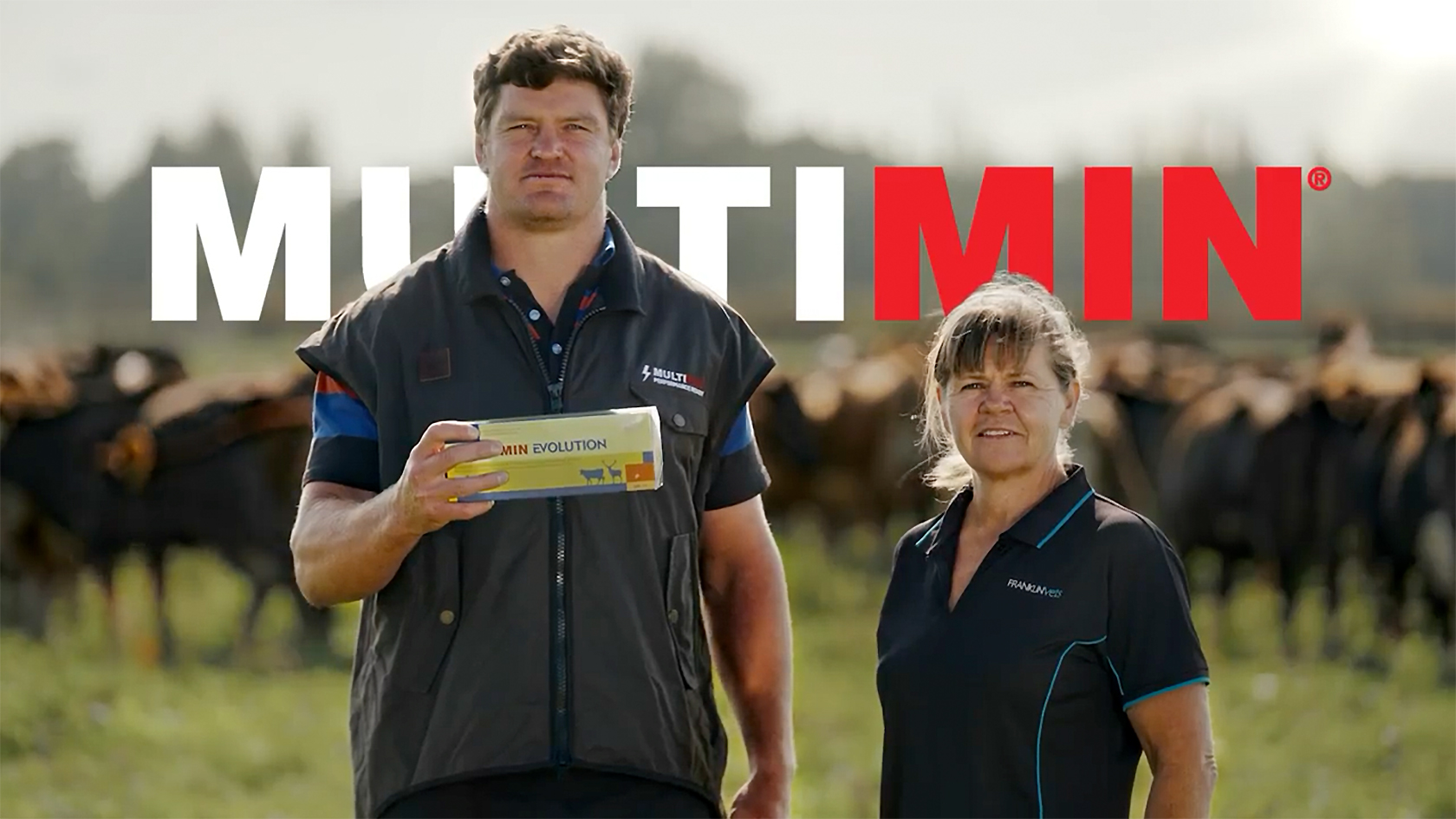
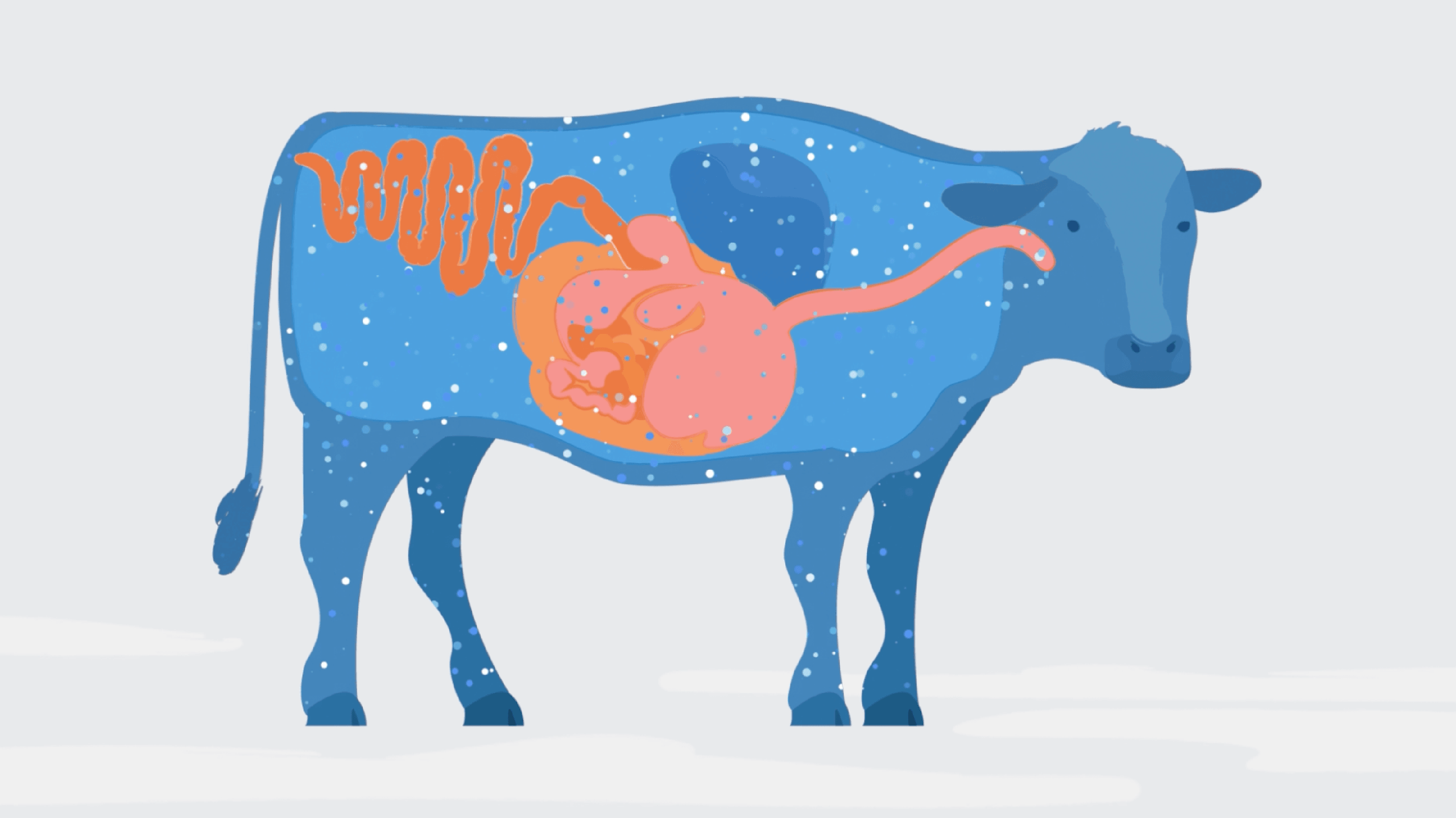
HOW MULTIMIN ® WORKS
Trace elements power the physiological responses that drive immunity, fertility and resilience.
2.
WHY TIMING
MATTERS
Performance under pressure depends on internal readiness.
3.
WHAT THE EVIDENCE SHOWS
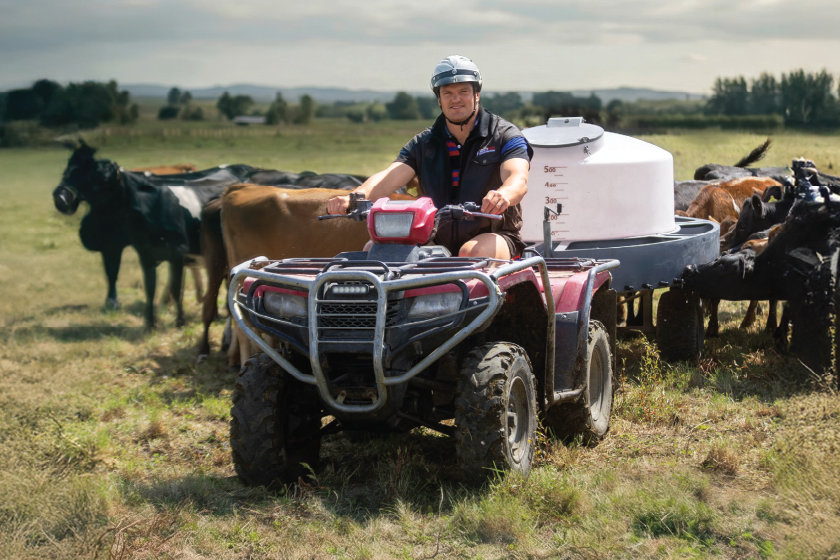
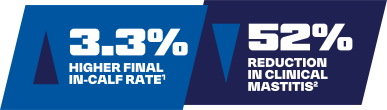
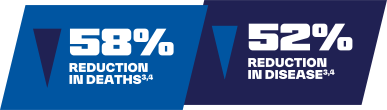
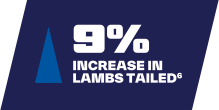
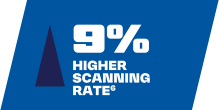
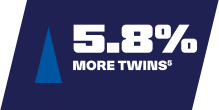
Trial work shows Multimin® gets your stock performance ready for high-demand periods, such as calving or lambing.
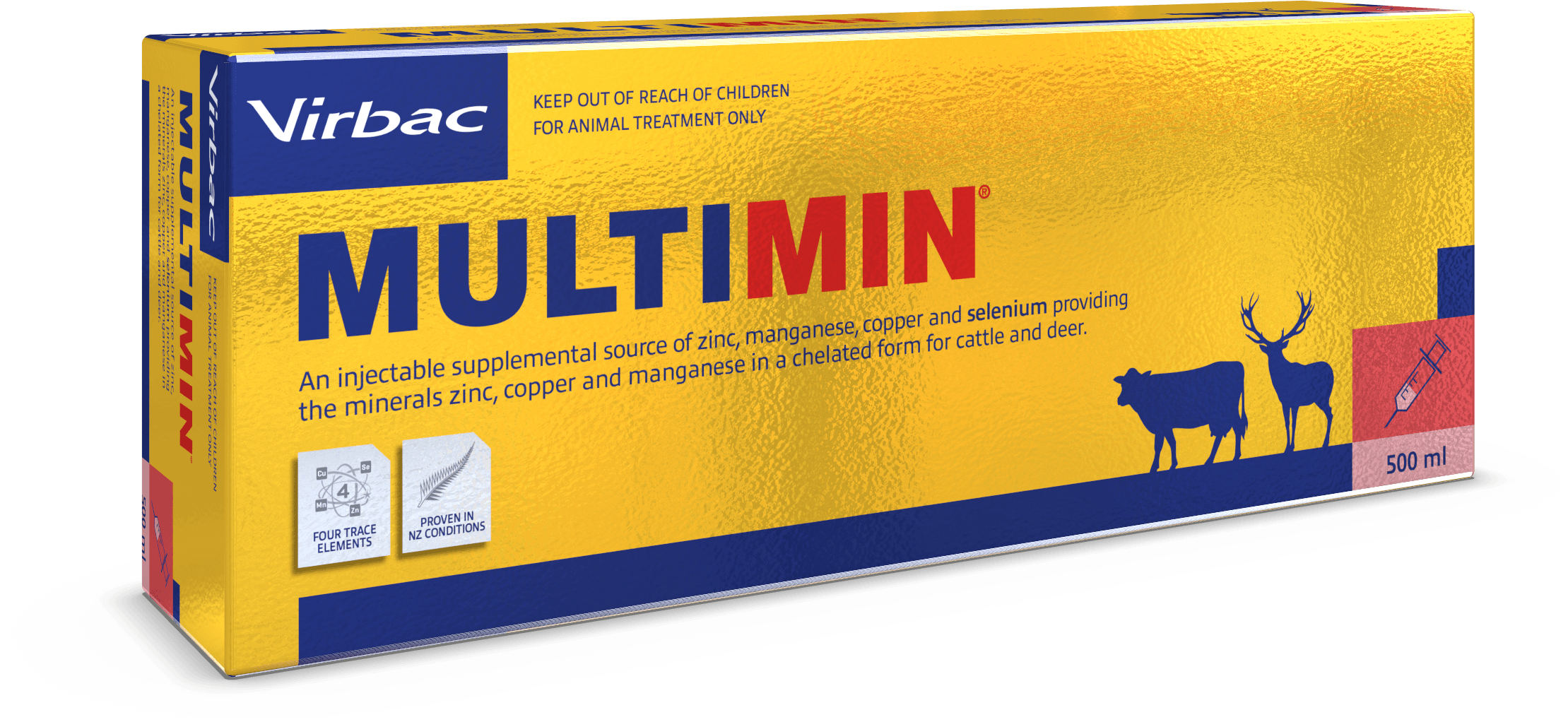
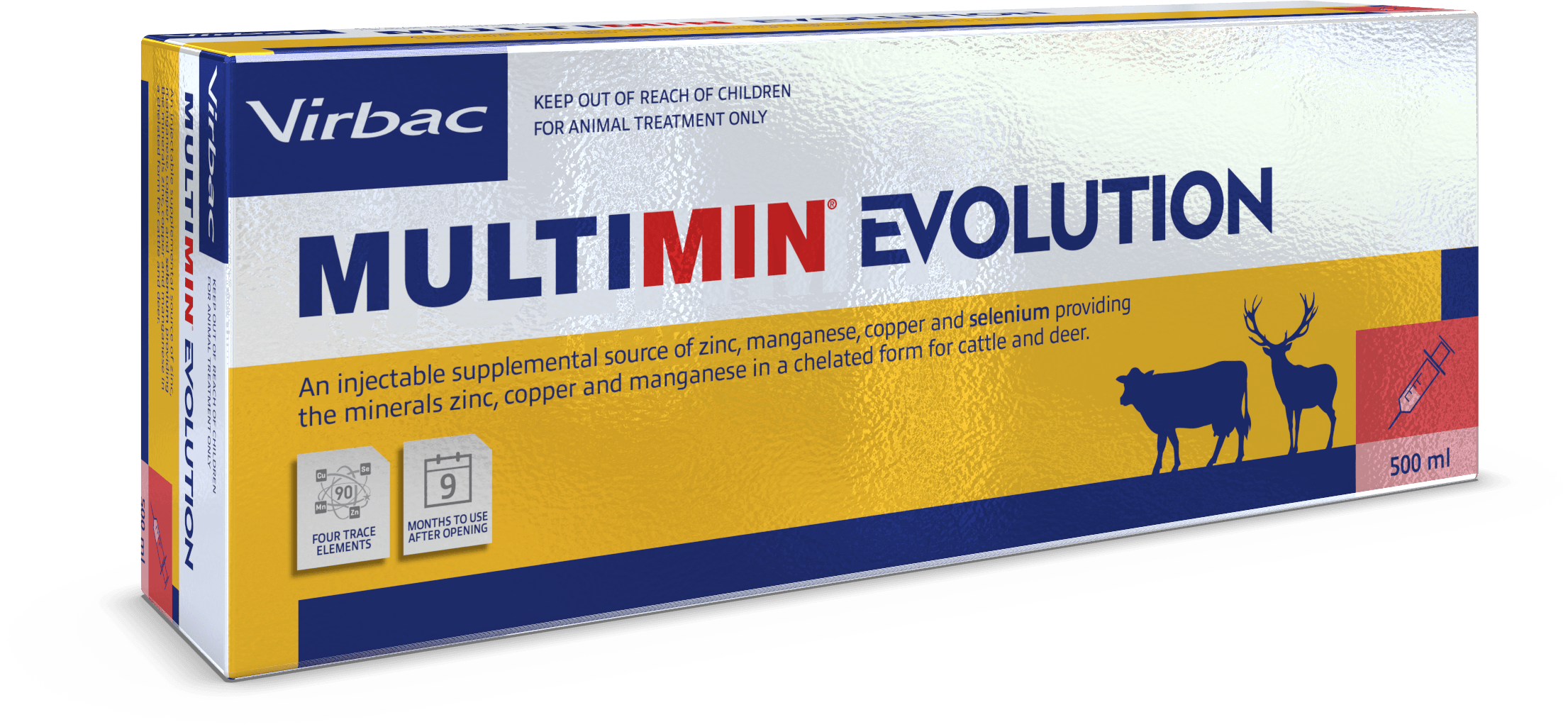
MULTIMIN®
EVOLUTION
- For cattle and deer.
- Contains zinc, manganese, copper and selenium.
- Given by subcutaneous injection.
- Cows: 4 weeks before calving and mating.
- Calves: On day of birth and weaning.
MULTIMIN®
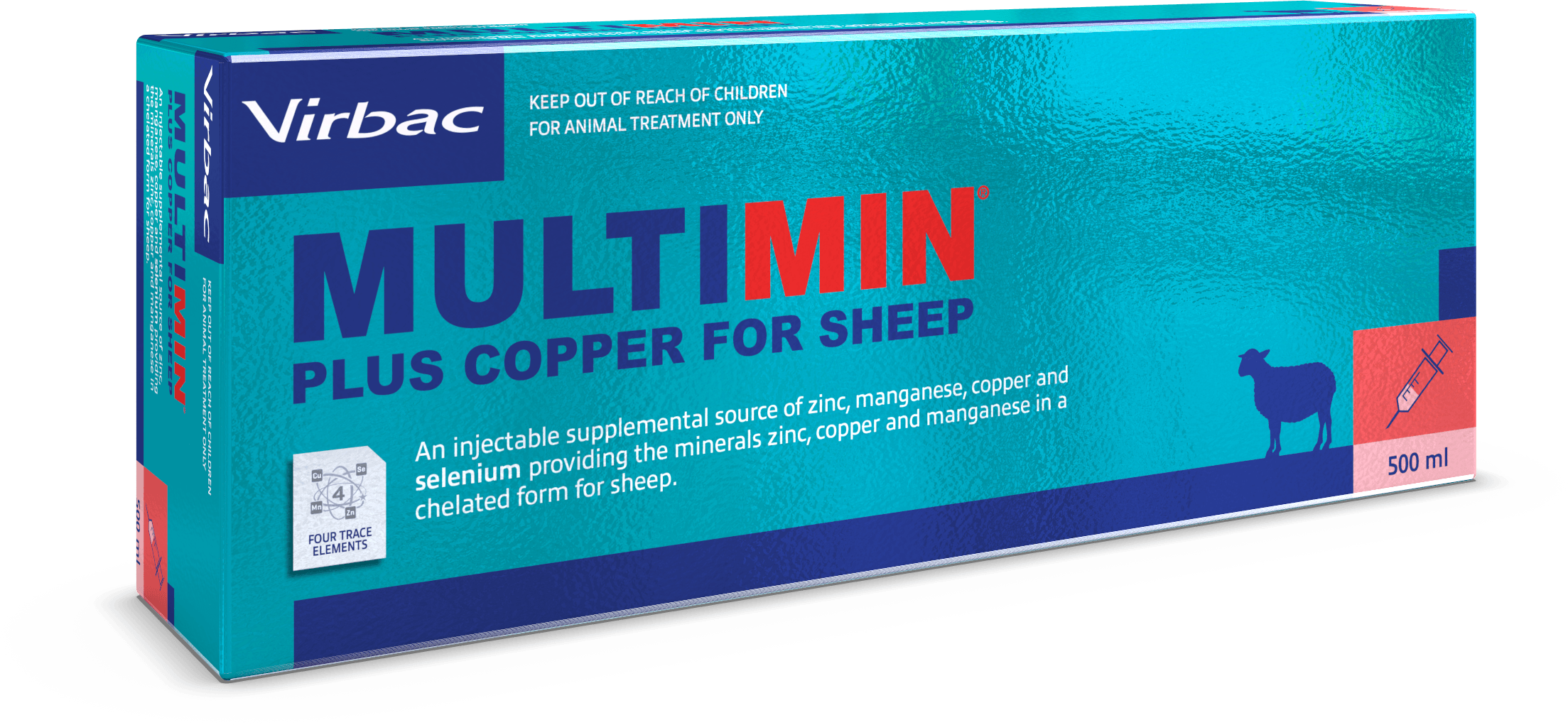
PLUS COPPER
FOR SHEEP
- For sheep.
- Contains zinc, manganese, copper, and selenium.
- Given by subcutaneous injection.
- Ewes: 4 weeks pre-lamb.

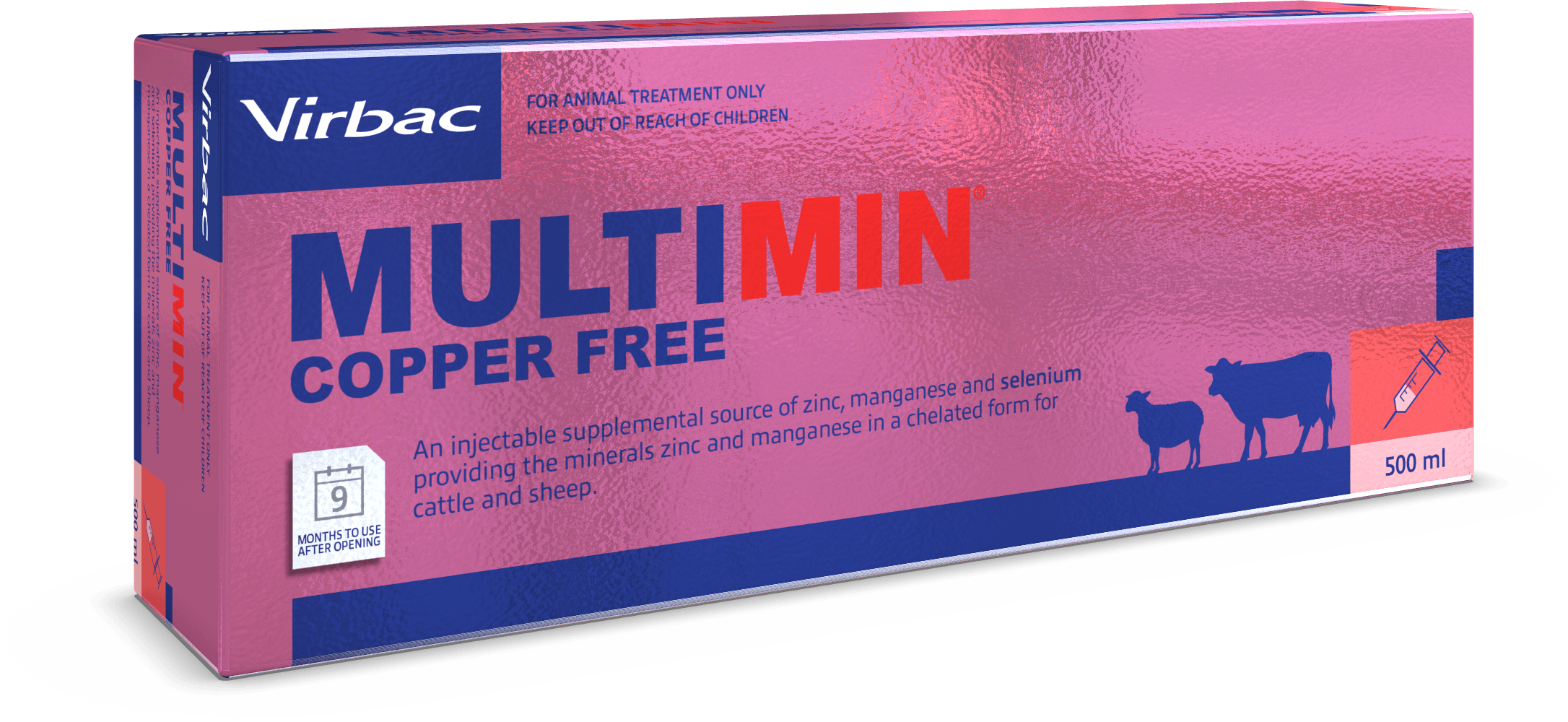
MULTIMIN®
COPPER FREE
- For sheep and cattle.
- Contains zinc, manganese and selenium.
- Given by subcutaneous injection.
- Ewes: 4-weeks pre-tup.
- Cattle: Known high copper diets or liver levels, or where there are concerns using copper within 3 weeks of mating.
Ask your
vet for
Multimin®
References: 1. D. Hawkins. (2007) The Effect of Injectable Trace Elements (MULTIMIN®) on Health & Reproduction Parameters in NZ Dairy Herds. DCV Newsletter March 2007. 2. Bates, A.J., Wells, M., Laven, R.A. Effect on periparturient diseases from pre-calving injection of trace mineral supplement in dairy herds. (IN PRESS). 3. Bates, A.J., Wells, M., Laven, R.A., Simpson, M. (2018). Effect of an injectable trace mineral supplement containing selenium, copper, zinc, manganese and chromium on health, and growth of dairy calves on four pastural dairy farms in New Zealand. June 2018. 4. Bates, A., Wells, M., Laven, RA., Simpson, M. (2019) Reduction in morbidity and mortality of dairy calves from an injectable trace mineral supplement. Veterinary Record Published Online First: 25 April 2019. doi: 10.1136/vr.105082. 5. Swaney, S. et al. (2014). Increasing conception rates in sheep by using an injectable trace mineral product prior to joining in diverse regions across Australia. Presented at the World Buiatrics Congress (WBC), Cairns 2014. 6. Gonzalez-Rivas, P.A.; Lean,G.R.; Chambers, M.; Liu, J. A Trace Mineral Injection before Joining and Lambing Increases Marking Percentages and Lamb Weights on Diverse Farms in Victoria, Australia. Animals 2023, 13, 178. https://doi.org/10.3390/ani13010178. Registered pursuant to the ACVM Act 1997, Nos. A009374, A009881, A009882 and A011875. Multimin® is a registered trademark of Virbac New Zealand Limited. Copyright © 2026 Virbac New Zealand Limited. All rights reserved. Virbac New Zealand Limited, 26 - 30 Maui Street, Pukete, Hamilton 3200.